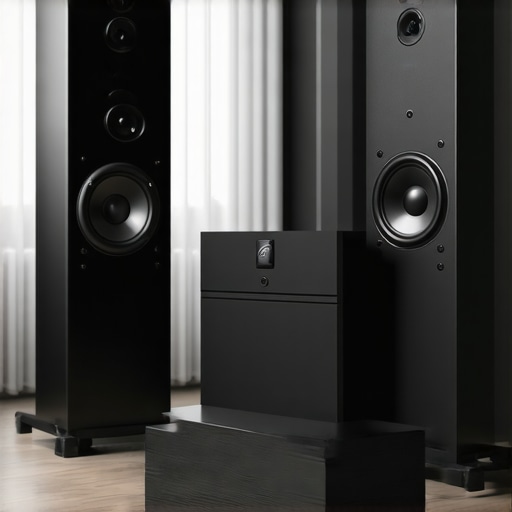
I vividly remember the first time I set up a pair of cheap bookshelf speakers in my living room. The sound was dull, undistinguished, and completely failed to fill the space the way I’d imagined. Hours of fiddling with placement only seemed to make things worse. It was a frustrating experience that left me questioning whether investing in high-end audio was worth it at all.
The Wake-Up Call That Changed My Approach
One evening, after a particularly underwhelming listening session, I stumbled upon an article about tower speakers for 2025. The sense of power and clarity they promised sounded almost too good to be true. But I was intrigued enough to do more research.
Fast forward a few months, and I finally replaced my tiny bookshelf speakers with a set of towering behemoths. The transformation was astonishing. The deep bass, expansive soundstage, and crisp clarity turned my home into a personal concert hall. From that moment, I realized that choosing the right speakers isn’t just about volume; it’s about elevating the entire listening experience.
What’s at Stake If You Ignore This?
Today, a lot of folks settle for mediocre audio, thinking it’s just a matter of volume. But in reality, the right speaker setup can drastically reshape how you enjoy music, movies, and even your daily routines. Yet, many make common mistakes, like overlooking the importance of speaker placement or not understanding the significance of power and clarity—mistakes I made early on and paid the price for.
So, are you tired of muddled sound or missing out on the richness of your favorite tracks? Do you want your home audio to truly impress? If so, you’re not alone. And the good news is, this guide will help you navigate the complex world of powerful and clear tower speakers for 2025.
Stay tuned, because we’re about to dig into how to select the perfect speakers that match your space, your taste, and your budget—and finally bring that warm, immersive sound into your home.
Position Your Speakers for Maximum Impact
Start by placing your tower speakers on either side of your listening area, about 1 to 2 feet away from the walls, to prevent sound reflections that muddy clarity. I once stacked my new towers in a corner, thinking it would amplify the bass, but it created boomy, indistinct sound. Moving them out into the room opened up the soundstage and revealed details I hadn’t noticed before.
Align Tweeters at Ear Level
Make sure the tweeters, responsible for treble, are roughly at ear height when seated. This minimizes sound distortion and ensures highs aren’t muffled or overly sharp. During a mistake-filled afternoon, I adjusted my towers from a low stance to eye level—suddenly, vocals and instruments gained clarity, transforming my listening experience.
Optimize Room Acoustics Effectively
Use soft furnishings, rugs, and curtains to absorb sound reflections, avoiding echoing that hampers audio quality. I experimented by covering my hardwood floors with a large rug, which surprisingly made the music feel warmer and more natural. It’s a simple step that dramatically improves perceived clarity.
Deploy Sound-Absorbing Materials Strategically
Place acoustic panels or bookshelves filled with books opposite the speakers to diffuse sound waves. I once pressed a few panels into a corner, and the reduction in harshness was immediate. Injecting such elements into your space ensures a balanced and crisp sound without harsh peaks or muddiness.
Seamlessly Integrate Wireless and Bluetooth Speakers
Pair your wireless speakers with your main system via the latest Bluetooth standards to avoid lag and dropouts. I set up a wireless speaker in my backyard for outdoor movie nights, and initially, the connection was flaky. After updating firmware and choosing high-quality profiles, I enjoyed uninterrupted, crystal-clear sound that complemented my fixed speakers perfectly.
Select the Right Wireless Model for Your Space
Check compatibility with your devices and consider battery life if portable. For a large living room, a robust model with strong Bluetooth range and audio depth is essential. My experience using a premium wireless model from this guide produced rich, room-filling sound, rivaling wired setups.
Get Clarity with Proper Cables and Connection Settings
Use quality speaker cables—thicker gauge for longer runs—to prevent signal loss. During my initial setup, cheap cables led to faint, indistinct sound. Upgrading to premium cabling and ensuring tight, secure connections boosted bass response and overall clarity. Checking your system’s output configurations can also fine-tune the soundstage, making your setup truly shine.
Tweak Your System’s Settings to Enhance Sound
Adjust tone controls, equalizers, and crossover points to match your room acoustics. I experimented with equalizer presets, and found that a slight boost in vocals and mids made my tracks sound more lifelike. Small adjustments can be the difference between decent sound and audiophile-quality immersion.
When it comes to high-fidelity audio, many enthusiasts and newcomers alike fall prey to misconceptions that can hinder their listening experience. One widespread myth is that more expensive equipment always guarantees superior sound; in reality, understanding room acoustics and speaker pairing often matters more than the price tag alone. For example, investing in top-tier tower speakers without considering proper placement or room integration might lead to subpar results, regardless of their technical specifications.
Are Higher Wattage Speakers Always Better for Home Audio
This is a question often asked by those upgrading their systems. Many assume that wattage directly correlates with loudness and clarity, but expert opinions suggest that actual performance depends heavily on speaker efficiency and the room’s acoustics. Overlooking this nuance can result in choosing equipment that sounds dull at normal volumes or causes distortion at high volumes. Additionally, a common trap is undervaluing the importance of proper cable management and connection quality; cheap cables can introduce noise and reduce overall clarity, something even high-end speakers can’t compensate for. Another misconception involves Bluetooth or wireless speakers—many believe they can replace wired setups entirely, but unless the latest standards and high-quality profiles are used, audio lag, compression, and dropouts can compromise the listening experience. Understanding the subtle differences in wireless protocols ensures optimal sound—and that’s why selecting a model compatible with your devices and environment is critical.
Advanced users should also consider room treatment innovations, such as acoustic panels and diffusers, which significantly enhance sound clarity by managing reflections. Studies from audio engineering experts show that untreated rooms can reduce perceived audio fidelity by up to 50%, making proper room design an often-overlooked step in achieving true hi-fi sound. Keep in mind that pushing a setup to its limits without considering these factors might lead to frustration; for instance, confirming speaker phase alignment and crossover settings is vital for ensuring your system’s components work harmoniously.
In summary, the most common errors stem from focusing on individual components without considering the environment, proper setup, or the nuanced interplay between equipment and space. Approaching your audio system holistically—paying attention to placement, acoustics, and connection quality—can dramatically improve your soundstage and clarity. For deeper insights, check out our guide on mastering sound clarity at home.
Have you ever fallen into this trap? Let me know in the comments and share your experiences with optimizing your hi-fi setup.
Maintaining your high-fidelity audio setup is crucial to preserve its performance and unlock long-term listening bliss. From selecting the right cleaning routines to utilizing specialized tools, investing in proper upkeep ensures your bookshelf, tower, or wireless speakers continue to deliver crystal-clear sound for years to come. Embracing a disciplined maintenance routine also allows you to identify potential issues early, preventing costly repairs or replacements down the line.
Essential Tools for Preserving Sound Quality
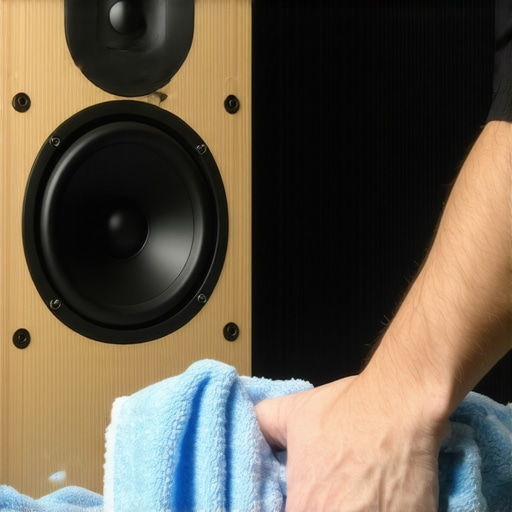
One of my go-to tools is a microfiber cleaning cloth combined with a mild, alcohol-based cleaner specifically designed for electronic equipment. I use this regularly to gently wipe down the speaker grilles and cabinets, removing dust and fingerprints that can degrade aesthetics and potentially influence sound dispersion. For delicate connection points, such as binding posts and terminals, I rely on a set of precision contact cleaners, like the MG Chemicals Electronic Contact Cleaner. This not only clears oxidation but also prevents static buildup that could impair signal transfer. Maintaining clean, corrosion-free connections is fundamental, especially when running long cable runs or using high-quality speaker cables — a detail often overlooked but critical for preserving clarity and bass response.
In addition, an inexpensive but highly effective tool I recommend is an infrared thermometer. Monitoring room temperature and speaker surfaces helps prevent overheating that may damage components over time. Regularly checking and calibrating your speaker placement and orientation with a laser distance meter can optimize sound dispersion and keep your system performing at its peak. Investing in a good cable tester, such as the Fluke T5, can also identify wiring issues or degraded connections before they impact your listening experience.
Embracing System Software and Updates
Modern wireless speakers often come with companion apps or firmware that need periodic updates for optimal performance. I make it a habit to regularly visit the manufacturer’s website or app store to check for updates—sometimes this is where hidden improvements or security patches reside. For instance, Bluetooth standards evolve, and updating firmware can significantly reduce lag or dropouts during playback, elevating your overall enjoyment. Many brands also recommend resetting your wireless speakers periodically to clear cache and optimize connectivity, much like rebooting a computer for peak performance.
Future Trends in Speakers Maintenance and Upkeep
Looking ahead, the integration of smart diagnostics and AI-driven maintenance tools promises to revolutionize how we care for our audio systems. Envision a scenario where your system communicates potential issues before they cause audible problems, much like your vehicle alerts you to maintenance needs. According to a recent expert article on preserving sound clarity, embracing these innovations will become standard, extending equipment lifespan and enhancing performance long-term. I plan to incorporate smart sensors and diagnostic tools into my setup—start by exploring compatibility with your existing wireless speakers and see how they can help maintain your system effortlessly.
How do I maintain my speakers over time? Keep a regular cleaning schedule, use quality connection materials, and stay updated with firmware upgrades. These small steps pay off significantly in sustained sound excellence. Don’t forget to regularly inspect and test cables and connections, and consider integrating smart diagnostic tools that can alert you to potential issues early. For a comprehensive guide on advanced maintenance techniques, check out our resource on mastering sound clarity at home. Try adopting one or two of these tips now, and experience the difference a well-maintained system can make in your everyday listening journey.What I Wish I Knew About Fine-Tuning Sound Early On
One of my most valuable lessons came from realizing that speaker placement and room acoustics have a more profound impact on sound quality than even the most expensive equipment. I used to chase the latest gear, thinking upgrades would solve all issues, but I often overlooked how small adjustments in positioning or adding simple acoustic treatments transformed my listening experience. These lightbulb moments taught me that understanding the environment is key to unlocking true hi-fi sound.
Another insight was the importance of patience and iterative tweaking. I’d set up my system and expect perfection instantly. Instead, I learned that systematically adjusting each component, from speaker angles to crossover settings, gradually opened new layers of richness and clarity. Sometimes, stepping back and listening over days revealed details I’d missed before, demonstrating that high-quality sound is as much a journey as it is a destination.
Finally, I discovered that regular system maintenance—cleaning connectors, updating firmware, and verifying connections—is vital for preserving the integrity of your audio. Over time, dust or oxidation can subtly diminish performance, but establishing a routine keeps your equipment rewarding to listen to and minimizes unexpected disruptions. These lessons are about more than equipment; they’re about fostering a deeper connection and understanding of your home soundscape.
Reading through this guide really struck a chord with me because I used to overlook the importance of room acoustics and proper placement when setting up my home audio system. Like the author, I initially invested in high-end speakers but didn’t consider how the room’s layout and materials could affect sound quality. It wasn’t until I added some acoustic panels and moved my towers a bit further from the walls that I noticed a significant improvement in clarity and depth. What I find fascinating is how much simple room treatment can elevate the listening experience without additional expense on equipment. Does anyone have recommendations for affordable acoustic solutions that work well in small or apartment-sized spaces? I’d love to hear how others have managed to optimize their setups on a budget.
This post really hits home regarding the importance of setting up the right environment for high-quality sound. I’ve gone through similar frustrations with my initial setup, where I thought just having good speakers was enough. It wasn’t until I started paying close attention to speaker placement, room reflections, and even furniture arrangement that I saw a huge leap in clarity and depth. I particularly agree with the idea that room acoustics are often overlooked by hobbyists, but they can make or break your listening experience. One trick I found useful is using inexpensive DIY acoustic panels made from mineral wool or even heavy curtains to absorb reflections without breaking the bank, especially in small living spaces. Also, I’ve been experimenting with small subwoofers placed strategically to balance bass, avoiding the common mistake of over-relying on tower speakers for deep lows all by themselves. Has anyone else had success with simple, budget-friendly tricks to improve room acoustics? I’m curious to hear what practices others swear by to get the best sound in limited spaces.