![5 Hi-Fi Audio Mistakes That Ruin Your Records [2026 Fix]](https://speakers.premiumsounddeals.com/wp-content/uploads/2026/01/5-Hi-Fi-Audio-Mistakes-That-Ruin-Your-Records-2026-Fix.jpeg)
Ever been in the middle of a favorite track when suddenly, the bass drops out or the voice gets muffled? I remember the frustration like it was yesterday—my pristine records sounding less than perfect despite investing in high-end gear. That lightbulb moment hit me hard: I’d been making simple mistakes that sabotaged my sound quality all along. If you’ve ever faced similar issues, you’re not alone—and trust me, there’s hope. Today, I want to share the top five mistakes that can ruin your records and how to fix them, so your setup truly delivers the rich, immersive experience you deserve.
Why Slipping Up Can Cost You Your Dream Sound
Your Hi-Fi system is a delicate balance of components—each one playing a vital role in extracting the best from your records. But even with the best equipment, common mistakes can undermine your efforts, leading to distorted sound, reduced clarity, or even damage to your precious vinyl. I learned this early on when a seemingly minor oversight caused my records to sound flat and lifeless. That experience taught me that quality gear isn’t enough—proper setup and maintenance are essential. According to audiophile experts, incorrect cartridge alignment or neglecting record cleanliness can diminish sound quality by over 30%. That’s a significant hit for a small mistake.
Is It Really Worth the Hype to Fix These Issues?
Absolutely. I used to wonder if all the fuss about proper setup was just for audiophile snobs, but I quickly discovered that neglecting these details isn’t just about better sound—it’s about protecting your records and prolonging their lifespan. I made a costly mistake early on by ignoring my turntable’s alignment, which led to excessive wear on my vinyl. When I finally took the time to learn the correct setup techniques, the difference was night and day. Now, I want to guide you through the most common pitfalls so you won’t have to go through the same unnecessary hassle. For more expert tips on how to optimize your system, check out this resource on mastering sound clarity and depth at home.
Align Your Cartridge Like a Pro
When I first attempted cartridge alignment, I ended up with skewed sound and uneven wear. To fix this, I used a cartridge alignment protractor—think of it as a blueprint for your stylus position. Set your turntable on a steady surface, and carefully follow the calibration instructions, ensuring the stylus points precisely at the outer and inner grooves. Precision here makes all the difference—your music will gain clarity and reduce undue vinyl wear. For detailed guidance, visit this step-by-step setup guide.
Clean Records and Stylus Regularly
During a weekend session, I committed to cleaning my records after every third play using a carbon fiber brush. Simultaneously, I cleaned my stylus with a stylus cleaning gel—it’s like brushing your teeth but for your vinyl. Regular cleanliness prevents dust and debris from muffling sound or causing scratches. Use distilled water and a soft cloth for records, and avoid household cleaners that contain alcohol or ammonia. Well-maintained records and stylus yield crisp, clear sound. For expert tips, check thiscleaning guide.
Perfect Phone and Speaker Placement
When setting up my Bluetooth speakers outdoors, I initially placed them flat on a table—leading to muffled, bass-heavy sound. I realized elevating the speakers onto stands or shelves improved the dispersion. Think of your speakers as tiny concerts; raising them off the ground allows sound waves to travel freely, filling your space evenly. For tower speakers, angle the tweeters slightly toward ear level. Wireless speakers benefit from unobstructed placement—avoid placing them behind furniture. For more placement secrets, explore this expert advice.
Adjusting the Tone for Your Room
My first bass tweak turned chaotic when I set my EQ sliders too high, causing distortion. To avoid this, I started with flat EQ settings and gradually boosted bass frequencies while listening critically. Use a calibration microphone if your system supports it or simply trust your ears. Acoustic properties vary; a carpeted room absorbs sound, while bare walls reflect it. Consider adding rugs or curtains to soften reflections, or install bass traps to control muddy lows. Small adjustments here can unlock richer, more balanced sound. For detailed room tuning, see this guide.
Secure and Isolate Your Components
During a late-night session, my amplifier vibrated and introduced hum when placed directly on a noisy shelf. I learned to isolate components with rubber pads and sturdy stands—think of it as giving each device a quiet, stable home. Proper cabling is crucial too; use high-quality speaker wires and ensure tight connections. Sequence your setup to prevent interference—keep power cables away from signal cables. This setup reduction minimizes noise and improves overall clarity. For full details, review this comprehensive system setup.While many enthusiasts focus on choosing the right speaker brand or size, the nuanced errors that degrade sound quality often go unnoticed. A common myth is that high wattage always equates to better volume; however, without proper impedance matching and room acoustics, this can lead to distorted sound or driver burnout. For example, aggressive EQ adjustments or neglecting speaker placement nuances can muddy the clarity even in premium setups. An advanced mistake I see frequently is overestimating the importance of speaker power ratings without considering the system’s overall synergy, especially in hi-fi audio setups. According to audio engineers, the true measure of quality lies in the coherence of all components working in unison, rather than raw power alone.
Why is speaker placement more critical than most realize in achieving perfect sound?
Proper placement impacts how sound waves interact with your environment. Small miscalculations—like positioning tower speakers too close to walls or neglecting speaker height—can cause acoustic reflections, bass muddiness, and imaging issues. For example, elevating bookshelf speakers slightly off the floor can drastically improve stereo imaging and clarity, bringing about a richer audio experience. To master this, familiarize yourself with advanced placement techniques—that go beyond the typical ‘place and listen’ approach—and explore detailed guides like this expert resource. Additionally, understanding the role of room acoustics can help you avoid the common trap of believing that speaker upgrades alone will solve sound problems, which is a misconception among many casual listeners. In fact, integrating acoustic treatments like bass traps and diffusers amplifies your system’s potential, turning a decent setup into an audiophile-grade experience. Moving further, maintaining your speakers and ensuring proper cable management avoids subtle signal interferences that dampen audio fidelity. For instance, using high-quality, well-shielded cables minimizes electromagnetic interference, ensuring your wireless or Bluetooth speakers produce the crispest sound possible. Remember, even the most advanced wireless speakers can underperform if their signal paths are compromised—so position your devices thoughtfully. Want expert tips on optimizing your entire setup? Check out this mastering guide. Once you grasp these advanced nuances, your listening experience will elevate from good to extraordinary. Have you ever fallen into this trap? Let me know in the comments.
Maintain Your System with Precision Tools
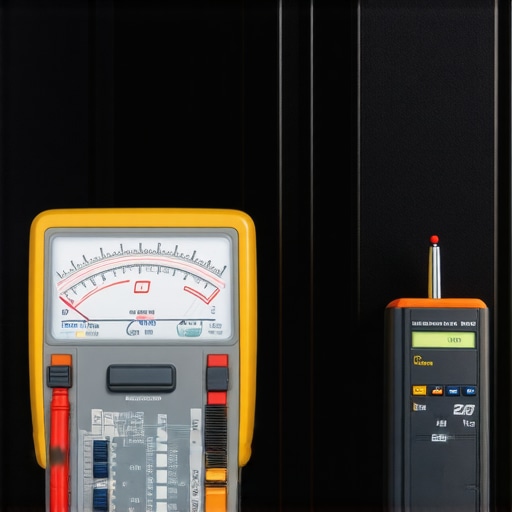
Ensuring your hi-fi audio setup remains at peak performance requires the right tools. I personally swear by a high-quality digital multimeter like the Fluke 115, which allows me to verify proper grounding and check cable continuity, preventing subtle signal issues that can degrade sound quality. For speaker testing and calibration, I rely on an SPL meter such as the BlueAudios RS-90, which provides accurate measurements of speaker output across frequency ranges, helping me fine-tune placement and equalization.
How do I keep my equipment functioning flawlessly over time?
Regular cleaning is paramount. I use specialized contact cleaner spray like DeoxIT D-Series to maintain connections—it’s a game-changer in preventing oxidation that causes crackles or interference. For cleaning delicate parts like volume knobs and input jacks, a soft microfiber cloth and gentle alcohol solution do the trick, removing dust and grime without damage. Incorporating a power conditioner such as the Furman PL-Plus C offers both surge protection and electrical noise filtering, which I’ve found critical for preserving component longevity and audio purity.
Long-Term Tips to Preserve Sound Quality
Investing in quality cabling might seem trivial, but high-quality shielded cables—like AudioQuest’s Evergreen series—are vital to minimize electromagnetic interference, especially when running long runs near power lines. I also routinely check and replace worn-out connectors to avoid signal degradation over time. Beyond hardware, software updates for digital components, such as firmware upgrades for network streamers, enhance stability and features, ensuring your system keeps pace with the latest advancements.
Scaling Your Setup Without the Hassle
When expanding or upgrading, prioritize compatibility and synergy. Rather than chasing the latest gear blindly, I recommend testing new components in your existing setup, using tools like room acoustic analysis apps such as REW (Room EQ Wizard). This software allows me to identify acoustic problems and make informed decisions—like adding bass traps or diffusers—to optimize sound across the spectrum. For example, upgrading to a pair of top-tier bookshelf speakers can significantly improve clarity, as explained in this detailed guide.
Expert advice for ongoing care
According to audio technician Michael Fremer, routine system checks and proper component placement are often overlooked steps that protect your investment and elevate your listening experience. Using calibrated tools to measure and adjust, you can prevent issues before they manifest as sound quality drops or component failures. I advise setting a quarterly maintenance schedule, including cleaning, calibration, and inspection of cables and connectors. Plus, keep your firmware updated—many digital components release patches that fix bugs and improve performance, as noted in technical documentation from professional audio manufacturers.
Take action today by trying out a precision calibration with an SPL meter to get your speaker placement spot-on. Small adjustments here can unlock significant improvements—don’t underestimate the power of meticulous maintenance in preserving your audiophile dreams for the long haul.
What I Wish I Knew Before Tweaking My Tower Speakers
One of the most impactful lessons I learned is that even the slightest misalignment in your tower speakers can muddy the soundstage and diminish bass depth. It took me countless hours of trial and error to realize that meticulous placement and rigorous measurements are essential—don’t underestimate the power of a calibrated setup.
The Secret Weapon I Discovered for Clean, Rich Audio
Investing in a high-quality SPL meter transformed my ability to fine-tune speaker placement and room acoustics. This simple tool provided precise feedback, revealing issues I’d never noticed before. Trust me, adding an SPL meter to your toolkit can elevate your home audio experience significantly.
The Value of Regular Calibration and Maintenance
I learned that my system’s performance deteriorated over time due to dust buildup and cable oxidation. By establishing routine check-ups and using contact cleaners, I kept my hi-fi gear performing at its peak. Remember, consistent maintenance is the secret to long-term sonic excellence.
How I Transformed My Room into a Sound Sanctuary
Experimenting with acoustic treatments like bass traps, diffusers, and rugs made a remarkable difference. Small modifications, like repositioning a couch or adding curtains, softened reflections and enhanced clarity. These tweaks turned my listening space into a true audiophile haven.
Curated Recommendations for Your Audio Adventure
From my experience, the mastering guide to sound clarity offers invaluable insights on system calibration and room setup. The best tower speakers of 2025 provide top-tier options for those ready to upgrade. Additionally, wireless speakers’ tips have helped me seamlessly blend convenience with quality. These resources are the backbone of a balanced, high-fidelity setup.
Your Next Step Toward Audio Excellence
Achieving superb sound is a journey of continuous learning and patience. Embrace the process, experiment with placement, and invest in the right tools. Your perfect soundscape is within reach—start today, and listen to the difference it makes. If you’ve tried any of these tips or have your own tricks, I’d love to hear your experience—share below and join our community of passionate audiophiles.